
California Surfing: Why Silicon Valley Bros Ruined Our Waves | Malibu Venice Beach Surf Report
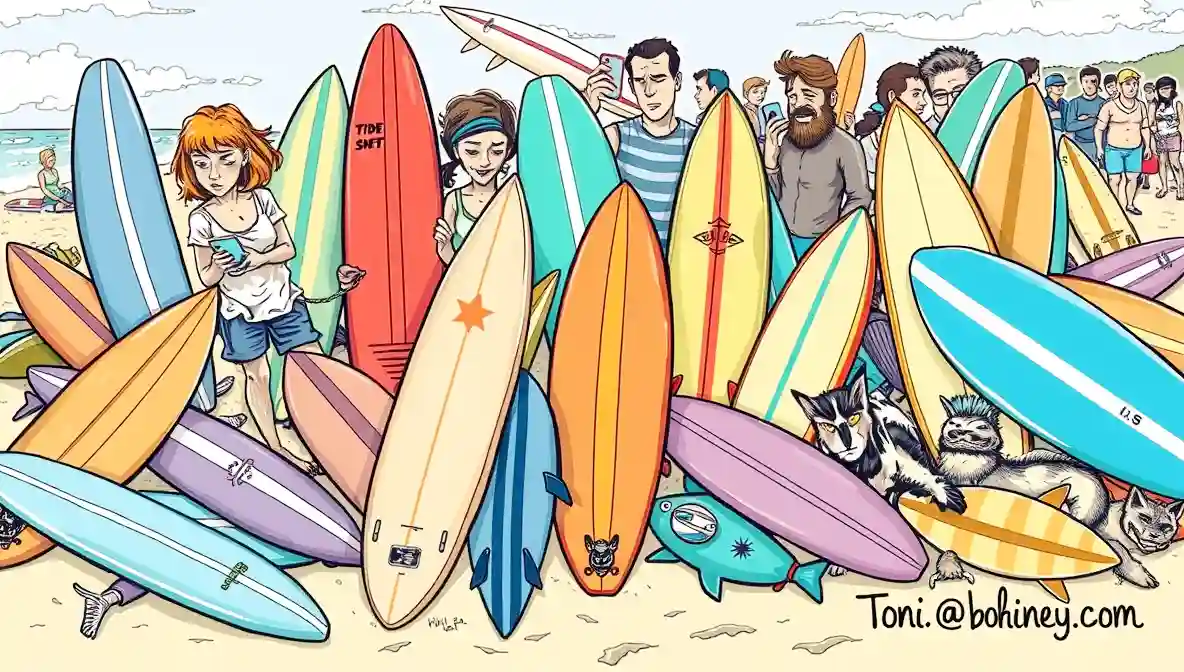
California surfing has officially jumped the shark—or in this case, jumped the tech bro who bought a $3,000 custom board to impress his Zoom colleagues during virtual meetings. What was once the domain of sun-weathered locals who could read Malibu waves like stock reports has become an Instagram performance where venture capitalists pretend to understand California surf conditions while livestreaming their wipeouts to LinkedIn. The sacred California surfing culture has been disrupted by the same people who disrupted everything else, except this time they’re disrupting our ability to catch Venice Beach waves without dodging flying MacBooks.
California Surf Spots: Where Tech Bros Go to Die
Malibu Surfing Meets Silicon Valley Money
California surf spots have transformed into outdoor offices where remote workers conduct Slack meetings between sets, turning Malibu surfing into a waterlogged WeWork space. These tech refugees fled San Francisco for “work-life balance” but brought their startup hustle to the beach, treating California surfing beaches like another growth metric to optimize and disrupt.
The sacred morning ritual of checking surf conditions California has been replaced by apps that predict wave heights with the same algorithmic confidence used to recommend which cryptocurrency to invest in. California surfing forecasts now include venture capital funding rounds and IPO announcements, because apparently market volatility affects Santa Monica surf patterns in ways only Stanford MBAs understand.
Bill Burr said during his February 2025 podcast that billionaires should be “put down like rabid dogs,” but he was talking about health insurance CEOs, not realizing that tech billionaires had already colonized our surf breaks. The same people who ruined housing affordability have now ruined wave affordability by treating California surfing like another asset class to acquire and monetize.
Venice Beach Surf Culture vs Corporate Culture
California surf culture instruction has evolved from grizzled locals teaching respect for the ocean to TED Talk speakers who explain how riding Huntington Beach waves taught them to pivot their SaaS platforms. Surf schools California now offer “leadership through surfing” workshops where middle managers learn to “catch the wave of innovation” while actual surfers wait for these corporate retreats to end.
The transformation of California surfing spots into a networking opportunity has created a new species of entrepreneur who schedules surf sessions California around earnings calls and considers barrel rides a form of mindfulness meditation that increases productivity metrics. They’ve turned our best surf beaches California into outdoor conference rooms where PowerPoint presentations mix with salt water.
Jerry Seinfeld said “What’s the deal with lampshades? I mean, if it’s a lamp, why do you want shade?” but the real question is what’s the deal with tech bros who want shade on the beach while working on laptops during surf sessions. California surfing has become a backdrop for remote work rather than an escape from it.
Venice Beach Waves: The Startup Accelerator
California Surf Community vs Angel Investors
California surfing Venice Beach now resembles a startup accelerator where angel investors evaluate wave-riding techniques with the same metrics they use for evaluating unicorn potential. The Venice Beach surf scene has become a networking hub where surf buddies exchange business cards instead of surf wax, discussing term sheets between tube rides.
The traditional California surfing community operated on respect, local knowledge, and unwritten rules about wave priority. The new community operates on LinkedIn connections, employee stock options, and written contracts about board-sharing agreements. We’ve replaced California surf etiquette with Terms of Service agreements that require legal review before paddling out.
Dave Chappelle’s record-breaking “nearly 17 minutes” SNL monologue in January 2025 lasted longer than most tech bros can stay on their boards, yet somehow they’ve convinced themselves that surfing experience translates directly to disruptive business insights. California surfing wisdom has been replaced by motivational quotes about riding the wave of digital transformation.
Dawn Patrol Surfing California: Now With Business Meetings
California dawn patrol surfing used to be a sacred time when serious surfers caught early morning waves California in peaceful silence before the crowds arrived. Now it’s when startup founders conduct “walking meetings” on the beach while their assistants hold video calls with investors in different time zones. The sunrise surf session California has become a sunrise strategy session.
The gentrification of California surf breaks has created a two-tier system where local knowledge gets priced out by venture capital funding. Long-time California local surfers who understand tide patterns and seasonal swells can’t compete with newcomers who have unlimited budgets for equipment and surf coaching but couldn’t identify a rip current if it came with a user manual.
Malibu Point Breaks: The Tech Startup Hub
California Surfing Apps vs Ocean Reality
Malibu surf culture has attracted tech visionaries who believe the future of California surfing lifestyle involves VR headsets and blockchain-verified wave ownership. These digital pioneers are developing apps to “gamify the surf experience” while completely missing the point that surfing California beaches is already a game—one that nature runs without requiring software updates.
The collision of California surfing tradition with Silicon Valley innovation has produced surf-focused startups that claim to revolutionize wave-riding through artificial intelligence and machine learning. They’ve created algorithmic solutions to problems that didn’t exist, like apps that calculate your “wave ROI” and platforms that let you crowdfund your next California surf trip through cryptocurrency.
The California surfing lineup now includes “surf tech entrepreneurs” who pitch investors while sitting on their boards in Malibu point breaks, treating every wave as an opportunity to explain how their blockchain-based surf forecast app will disrupt the traditional weather prediction industry. They’ve turned the Pacific Ocean California into an incubator where business plans get developed between duck dives.
Santa Monica Surf: Digital Nomad Paradise
California Surf Lifestyle vs Content Creation
Santa Monica surfing has been invaded by “digital nomads” who relocated from overpriced San Francisco apartments to overpriced beachside Airbnbs, bringing their standing desks and ring lights to create content about their “authentic California surf lifestyle.” These lifestyle entrepreneurs treat every Santa Monica wave as content creation opportunities for their personal brand building.
The authentic California surfing experience of connecting with nature has been replaced by connecting to WiFi hotspots to upload surfing footage to social media platforms. California surfers now spend more time editing videos of their rides than actually riding Southern California waves, turning the beach into an outdoor studio where authentic moments get manufactured for algorithmic engagement.
The California surfing scene has become so saturated with tech industry refugees that local surf shops California now accept cryptocurrency payments and offer “surf-as-a-service” memberships with monthly subscription models. The counterculture that created California surf history has been acquired by the corporate culture that destroyed everything else California used to represent.
For authentic California surfing conditions and surf forecasts California, visit Surfline California or support local surf shops and the California Coastal Commission.