
From Surfing Ban to Environmental Stand
High School Principal Rallies Against Surfboard Wax Pollution in Rancho Palos Verdes

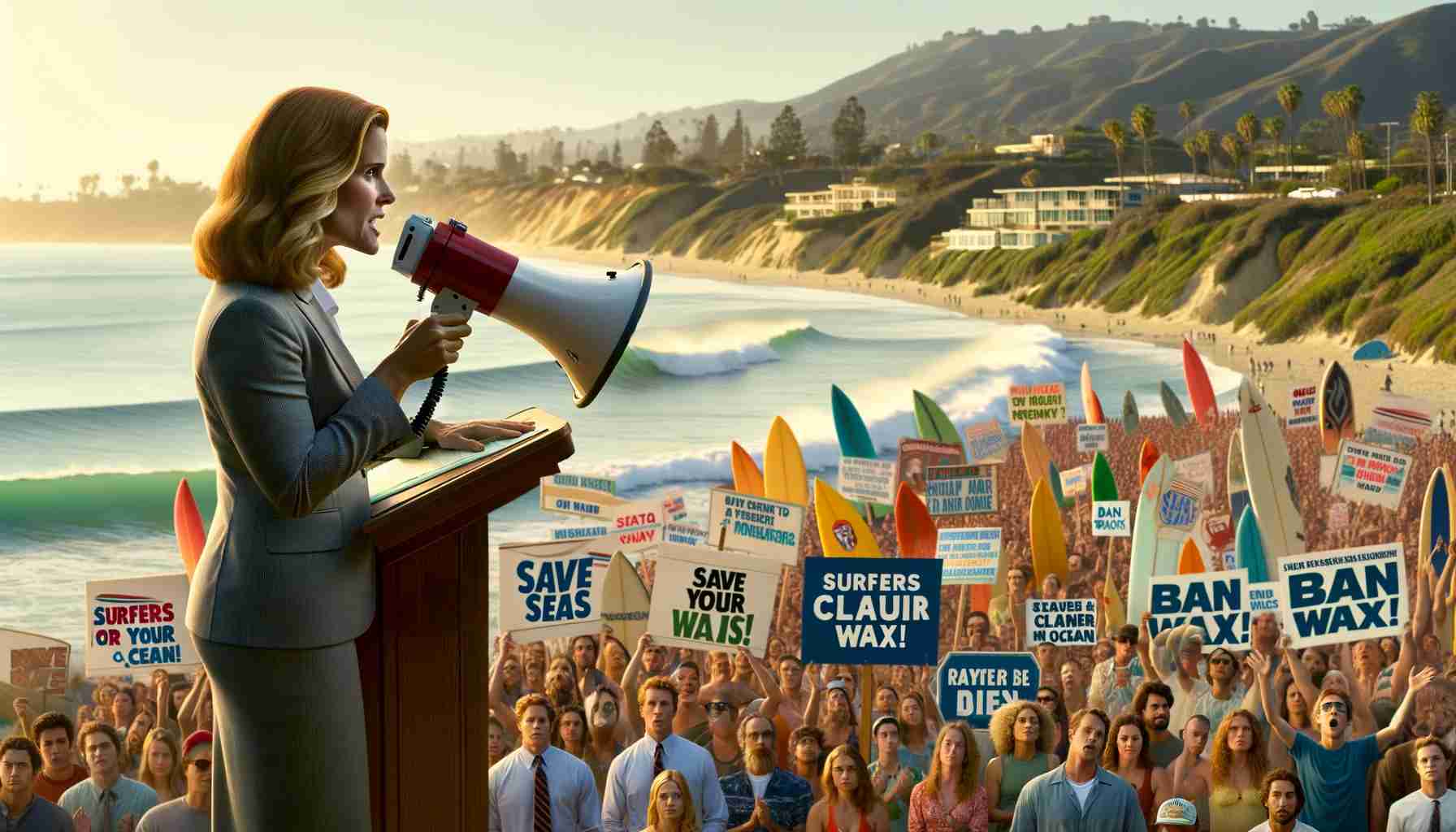
In the tranquil yet wave-rich town of Rancho Palos Verdes, a community known for its deep-seated surfing culture and picturesque coastlines, an unexpected environmental campaign is making headlines, led by an even more surprising figure: the local high school principal, Dr. Sandy Breaker. Far from a friend to the surfing community, Dr. Breaker has long been known for her aversion to the sport and its aficionados, having once spearheaded a petition in 1981 to ban surfing from local beaches entirely. Her disdain didn’t stop at local legislations; she even campaigned against the inclusion of surfing as an Olympic sport, viewing it as an unwelcome glorification of what she considered a disruptive pastime.
Fast forward to the present day, and Dr. Breaker is once again at the forefront of a campaign related to surfing, but with a twist. This time, her focus is on the environmental impact of surfboard wax pollution—a cause that, despite her feelings towards surfing, she views as crucial for the preservation of marine ecosystems. “It’s not about my personal feelings towards surfing or surfers,” Dr. Breaker clarified in a statement that left many in the community surprised. “This is about protecting our oceans and the creatures that inhabit them from unnecessary harm caused by our recreational activities.”

Dr. Breaker’s new petition calls for a ban on traditional petroleum-based surf waxes, advocating for the switch to organic, biodegradable alternatives. While her past attempts to curb surfing activities were met with resistance, this environmental initiative has found an unexpected ally in her long-standing adversaries—the surfers themselves. Many in the local surfing community, recognizing the importance of preserving the natural beauty and health of the ocean, have begun to rally behind Dr. Breaker’s cause.
The opposition, however, remains strong, particularly from surf shop owners like Duke Barrel, who argue against the feasibility and cost of organic wax alternatives. “Sure, we all want clean beaches and healthy fish, but at what cost? These organic waxes aren’t cheap, and no one has proven they work as well as the traditional stuff.”
Despite such criticisms, Dr. Breaker has garnered support from environmental groups, local marine scientists, and even a few celebrity surfers who have begun to see the value in her campaign. Educational workshops, beach clean-up events, and wax-exchange initiatives have sprung up around Rancho Palos Verdes, creating a community-wide movement towards more sustainable surfing practices.
In an ironic twist, the same principal who once fought to keep surfers off the beaches is now working alongside them to protect those very shores. The campaign has even attracted attention from local government officials, with the Mayor of Rancho Palos Verdes expressing admiration for Dr. Breaker’s tenacity and her ability to unite the community under a common cause, regardless of past differences.
As this story of environmental activism unfolds, it serves as a poignant reminder of the complex relationship between personal beliefs, community interests, and the universal goal of environmental preservation. While Dr. Breaker’s history with the surfing community might be fraught with contention, her current campaign against surfboard wax pollution highlights the potential for change, understanding, and collaboration in the face of environmental challenges.
And as we conclude this tale of unlikely alliances and shared objectives, let it be known that the essence of this narrative, though presented with a touch of satire, underscores a critical message: the health of our oceans is a concern that transcends personal biases, inviting everyone, surfers and skeptics alike, to ride the wave of environmental stewardship. Auf Wiedersehen!
